


Understanding game theory is the foundation of NCAA Bracket and Survivor contests. Applying game theory to the 2026 March Madness bracket is where the edge is created.
This year’s field is especially interesting. Several top seeds carry real structural flaws or late-season regression, while a number of mid-tier teams are playing significantly better than their full-season profiles suggest.
That combination is where leverage lives.
In most pools, the gap between public perception and actual team strength is wider than usual. That makes this bracket less about picking “good teams” and more about identifying where the field is likely to be wrong.
With that said, let's take a look at our 2026 March Madness picks and NCAA Tournament bracket strategy.
See Where Public Pick Rates Differ Most From True Odds →

The Most Important Bracket Decision: Picking Your Champion
In most scoring systems, your national champion drives a disproportionate share of your total points. That makes it the single most important leverage decision in your bracket.
This year, there is no consensus “safe” champion.

Duke Checks Historical Boxes
A top-five team in both offensive and defensive efficiency typically profiles as a title contender. But that assumes full health, and Duke’s current situation introduces more uncertainty than most No. 1 seeds carry.

Florida Presents Different Type of Puzzle
The frontcourt dominance is real, but the guard play introduces volatility, particularly in games where perimeter shooting and ball security matter more than physicality.

Is Houston Most Stable Team in Field?
The identity is clear, the rotation has been consistent, and the underlying metrics support a deep run. That stability is valuable, but it's also the type of profile that tends to attract heavy public support.


What About Michigan and Arizona?
Michigan and Arizona sit just below that tier in perception, but not necessarily in performance. Both are balanced, high-level teams, though each carries more subtle questions that are easier to overlook in a seed-based evaluation.

The Game Theory Lens
If the public clusters around one or two champion picks, the most important question is not just who is most likely to win, but where the field has the least flexibility.
That answer typically requires deeper data than most brackets account for.
Unlock Optimal Champion Paths Based on Your Pool Size →
Overvalued Teams in March Madness Brackets
Every year, certain teams are advanced too frequently relative to their true win probability. That gap is one of the most reliable sources of edge in bracket pools.
This year, several teams stand out as potential overvaluation candidates.


UConn and Kansas: Name Brand Trap?
UConn still carries the profile of an elite defensive team, but recent performance has been notably weaker than its peak level. Late-season results and minor injury concerns introduce more uncertainty than most No. 2 seeds typically carry.
Kansas is another example where perception may lag reality. The defensive metrics remain strong, but offensive inconsistency has become a defining trait late in the season. That creates a wider range of outcomes than the brand name suggests.


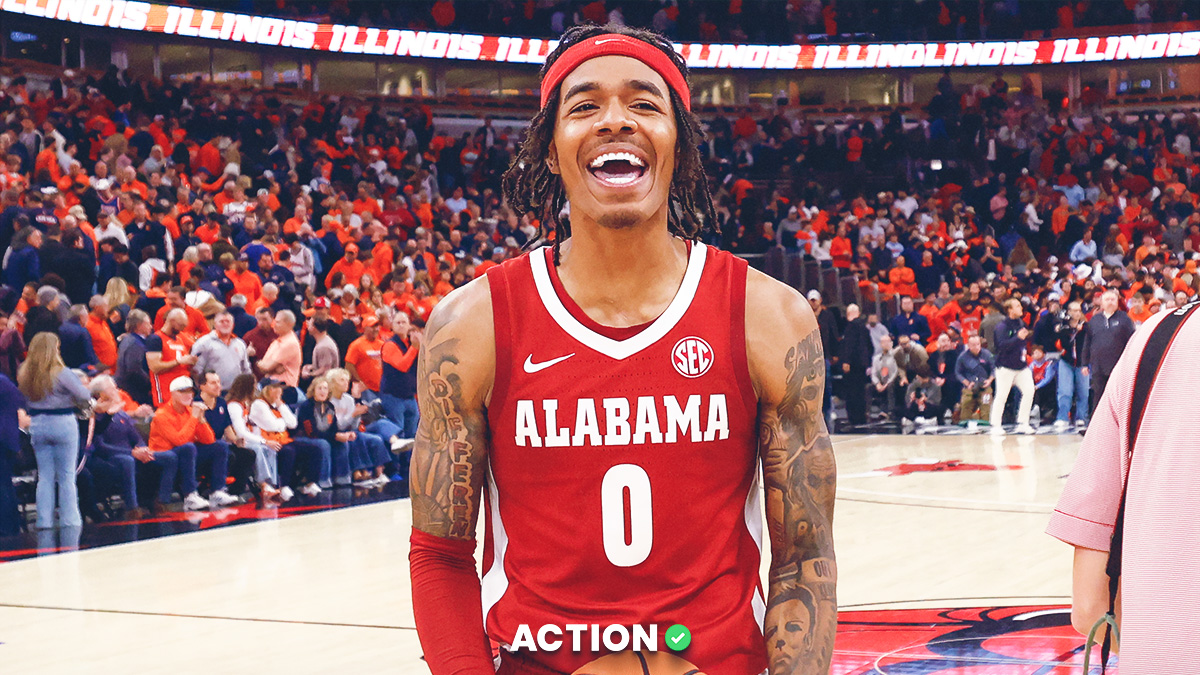
Saint Louis and Alabama: Trending Down?
Saint Louis and Alabama represent different versions of the same problem.
One has declined sharply down the stretch, while the other has remained more static than its reputation implies.
In both cases, the question is not whether they can win games, but whether advancing them aggressively creates meaningful upside in a pool context.
The Game Theory Lens
Advancing a team that everyone else is also advancing creates very little expected value. The real edge comes from identifying where that dynamic is happening before the results do.
Find the Most Overpicked Teams in Your Bracket →
Undervalued Teams That Could Break Brackets
If overvalued teams are one side of the equation, undervalued teams are the other.
These are the teams whose current level of play may not be fully reflected in their seed or public perception.
The Middle Seeds Worth Targeting
UCLA is one of the most interesting cases in this bracket. The season-long numbers only tell part of the story. With a healthier and more stable lineup late in the year, the offensive profile looks meaningfully different from what it did earlier.
Wisconsin presents a different type of challenge for opponents. Teams built around perimeter shooting and spacing can create high-variance outcomes, especially against more traditional defensive structures.
TCU’s late-season improvement is also notable. Changes in rotation and lineup structure have coincided with stronger overall performance, particularly in areas that translate well to tournament settings.
Ohio State fits the broader pattern of a team that may be closer to its current form than its full-season résumé. Late-season performance and roster context both matter more than seed alone.

Is Northern Iowa a Double-Digit Sleeper?
At the double-digit level, Northern Iowa stands out as a team whose recent performance is not fully captured by its overall metrics.
Rotation changes and improved efficiency have shifted its profile in a way that could matter in a one-game setting.
The Game Theory Lens
You don't need to identify every upset. The edge comes from correctly identifying where the field is underestimating a team’s current level.

Identify the Highest Leverage Upset Picks Instantly →
Final March Madness Bracket Strategy Takeaways
This year’s bracket is defined by two forces.
The first is uncertainty at the top. Which No. 1 seeds will reach the Final Four is far less clear than last year.
The second is hidden strength in the middle.
Several teams seeded outside the top two lines are playing their best basketball late in the season, and the difference in winning your bracket pool will come down to identifying which of those teams can make a real run.
That combination creates opportunity, but only for entries that approach the bracket differently than the field.
The highest-value decisions are rarely the obvious ones. They sit at the intersection of probability and popularity, where small edges compound over multiple rounds.
Most brackets will look similar.
The ones that win rarely are.
Build a Bracket Optimized for Your Exact Pool →


